
Enviol Polytech Solutions provides advanced polyester polyols tailored for industrial polyurethane adhesive manufacturing. Our chemistry supports optimized NCO/OH balance, controlled molecular weight distribution, and enhanced adhesion performance in MDI, TDI and aliphatic isocyanate-based systems used across construction, automotive, footwear and lamination industries.
Polyurethane (PU) Adhesive Systems & Polyol Selection
Polyurethane (PU) adhesives are produced by reacting polyester polyols with diisocyanates such as MDI, TDI, HDI or IPDI. Polyol structure, molecular weight, and OH value determine crosslink density, green strength, flexibility, hydrolysis resistance and long-term adhesion performance. Below is a formulation-focused overview tailored for industrial adhesive manufacturers.
1K Moisture-Curing PU Adhesives (MDI / pMDI Based)
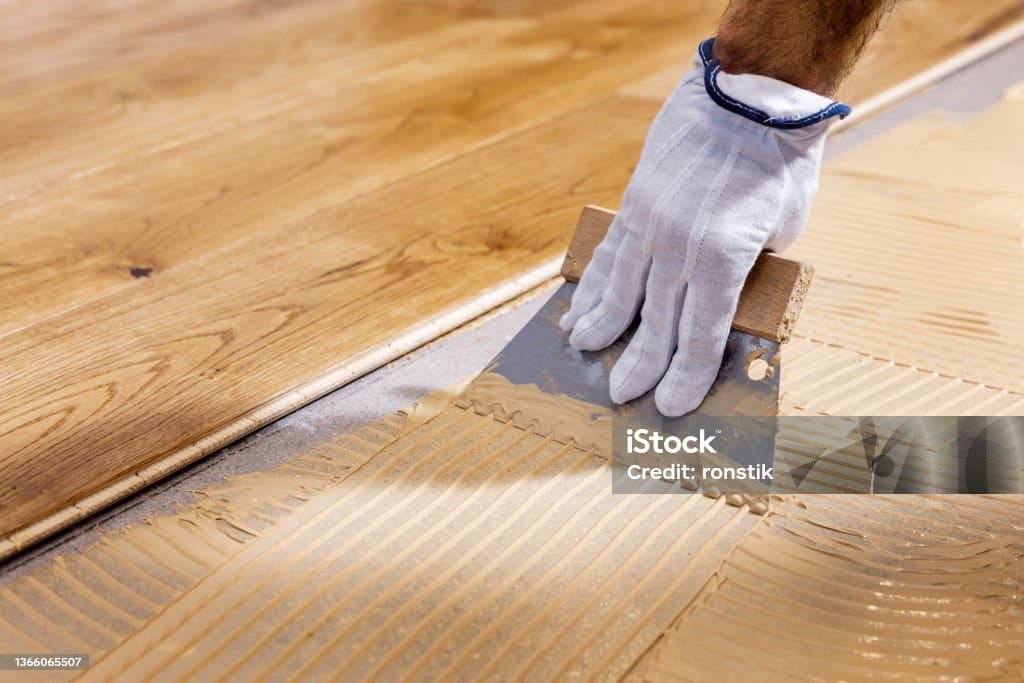
One-component PU adhesives are NCO-terminated prepolymers typically derived from medium molecular weight polyester polyols reacted with MDI or polymeric MDI. Upon exposure to atmospheric moisture, progressive curing increases crosslink density.
- Preferred Polyol: Polyester, medium MW, moderate OH value
- Why Polyester: Higher tensile strength, superior adhesion to wood and mineral substrates
- Key Performance: High cohesive strength, moisture resistance, durability
- Applications: Wood flooring, construction bonding, panel assembly
2K Structural PU Adhesives (MDI / TDI Systems)
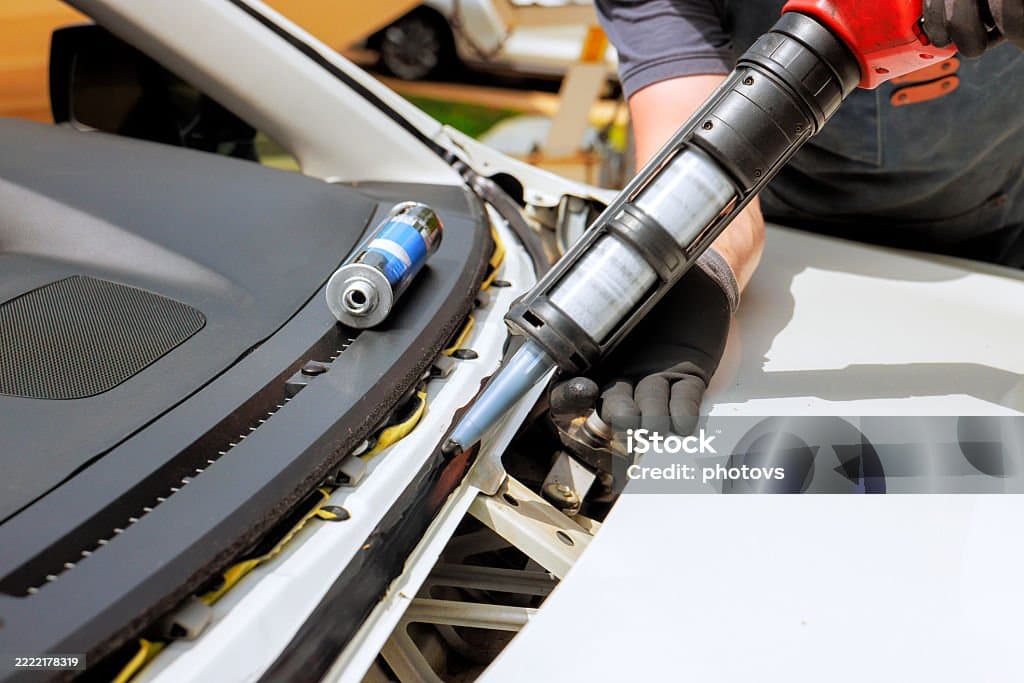
Two-component PU adhesives combine high OH polyester polyols with aromatic isocyanates such as MDI or TDI. Increased OH functionality enhances crosslink density, improving load-bearing capacity and impact resistance.
- Preferred Polyol: Polyester, high OH value
- Why Polyester: Higher modulus, improved chemical resistance
- Key Performance: Structural strength, thermal stability
- Applications: Automotive panels, composites, sandwich structures
Solvent-Based PU Adhesives (Flexible Bonding)
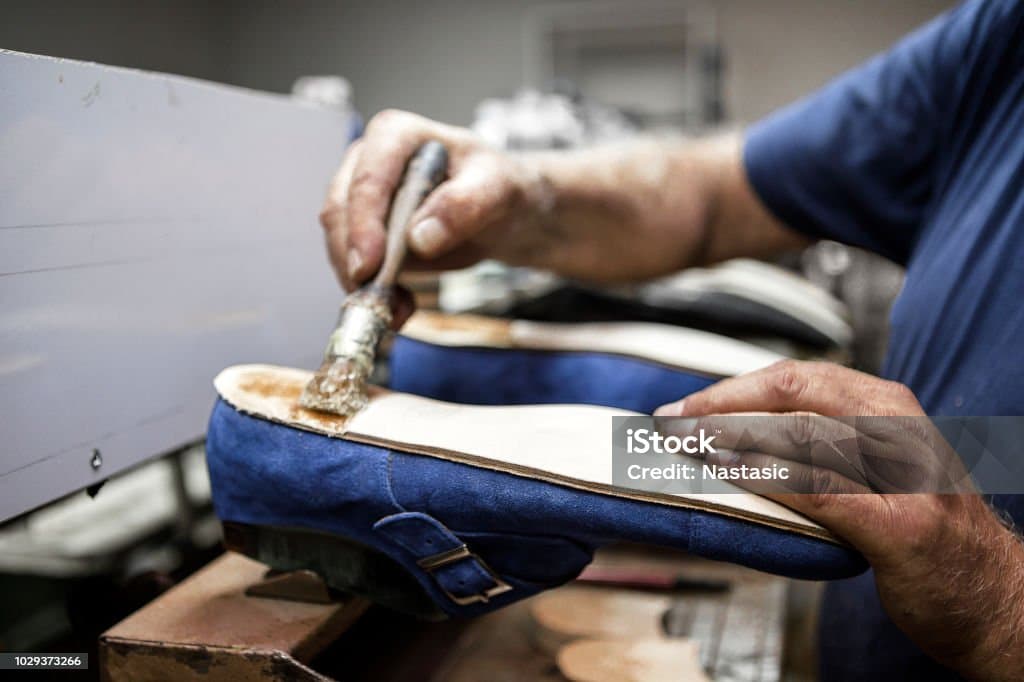
Linear polyester polyols reacted with TDI or MDI are widely used in solvent-based PU adhesives. Polyester chemistry improves peel strength, heat resistance and adhesion to leather and synthetic materials.
- Preferred Polyol: Linear polyester, medium MW
- Key Performance: Flexibility with strong bond retention
- Applications: Footwear, artificial leather, flexible laminates
Water-Based PU Dispersions (PUD)
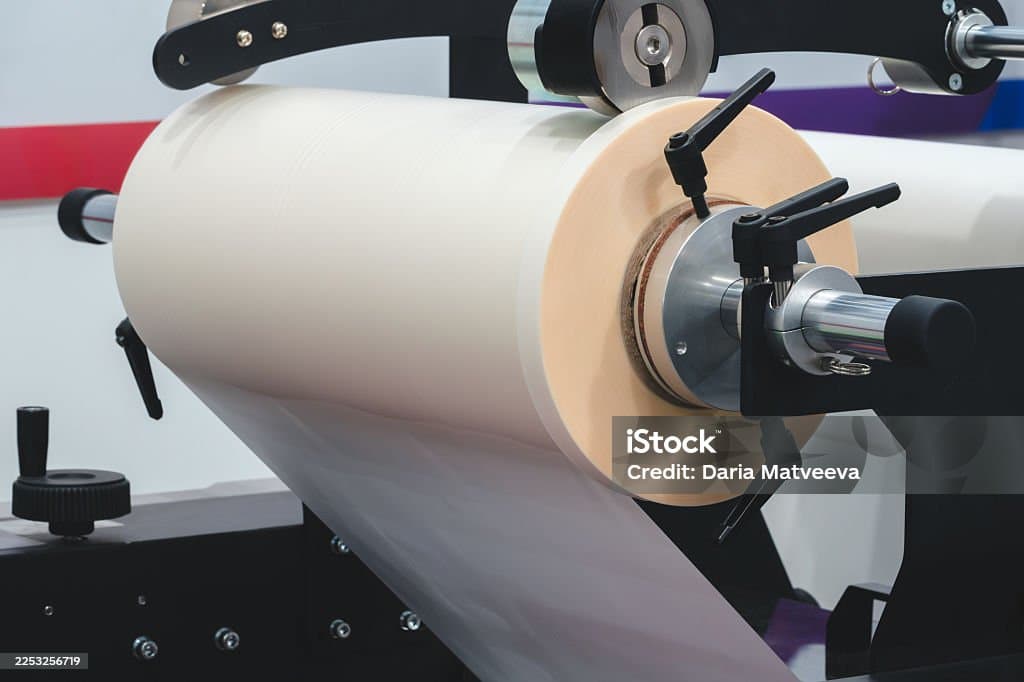
PU dispersions are produced from internally emulsified polyester polyols with MDI or IPDI. Choice of polyol determines balance between mechanical strength and hydrolysis resistance.
- Polyester PUD: Higher strength and chemical resistance
- Applications: Textile lamination, flexible packaging, low-VOC systems
Reactive Hot Melt PU (PUR)
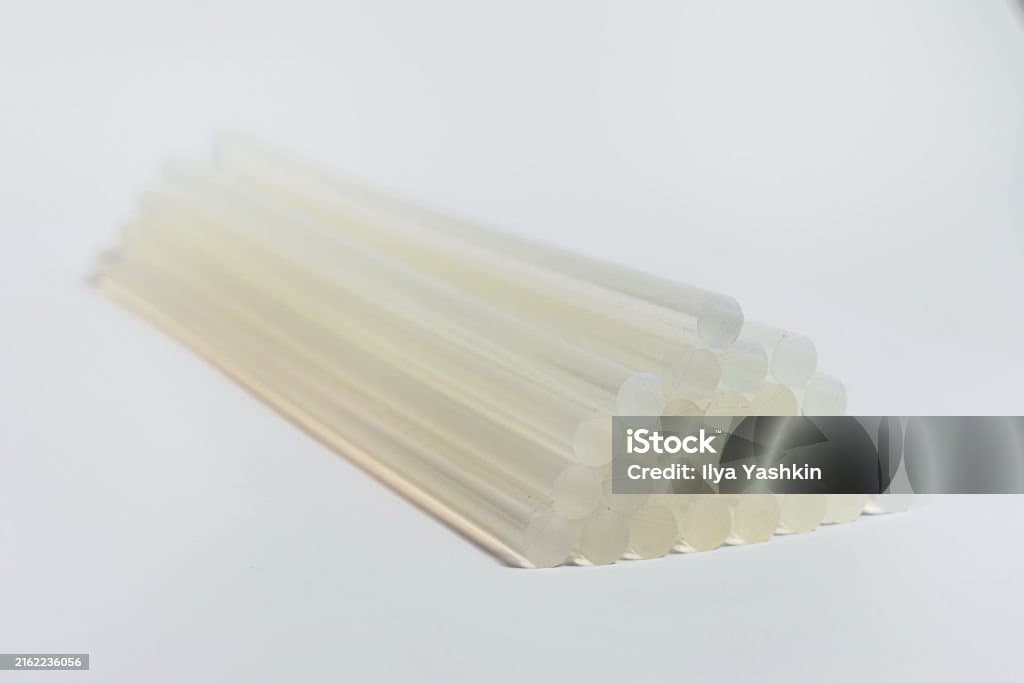
PUR hot melt adhesives are NCO-terminated MDI prepolymers derived from low molecular weight polyester polyols. They deliver fast green strength followed by secondary moisture curing for enhanced thermal and mechanical performance.
- Preferred Polyol: Low MW polyester
- Key Benefit: Rapid setting with high final bond strength
- Applications: Furniture edge banding, panel lamination
Polyester Polyol Selection Guide
- Polyester Polyols: Higher tensile strength, superior solvent resistance, improved adhesion to polar substrates.
- High OH Value: Increased crosslink density and structural strength.
- Lower MW: Faster cure and higher hardness.
- Aromatic Isocyanates (MDI/TDI): High strength and cost efficiency.
- Aliphatic Isocyanates (HDI/IPDI): UV stability and non-yellowing performance.