
Enviol Polytech Solutions provides advanced polyester polyols tailored for polyurethane sealant manufacturing. Our chemistry supports optimized crosslink density, controlled reactivity and enhanced movement capability in MDI, TDI and aliphatic isocyanate-based sealant systems used across construction, glazing and automotive applications.
Polyurethane (PU) Sealant Systems & Polyol Selection
Polyurethane (PU) sealants are formulated by reacting polyester polyols with diisocyanates such as MDI, TDI, HDI or IPDI. Sealant performance depends on polyol molecular weight, OH value, functionality, and isocyanate selection. Key parameters for sealant manufacturers include modulus, elongation, movement capability, weather resistance, and adhesion to construction substrates.
1K Moisture-Curing PU Sealants (MDI Based)
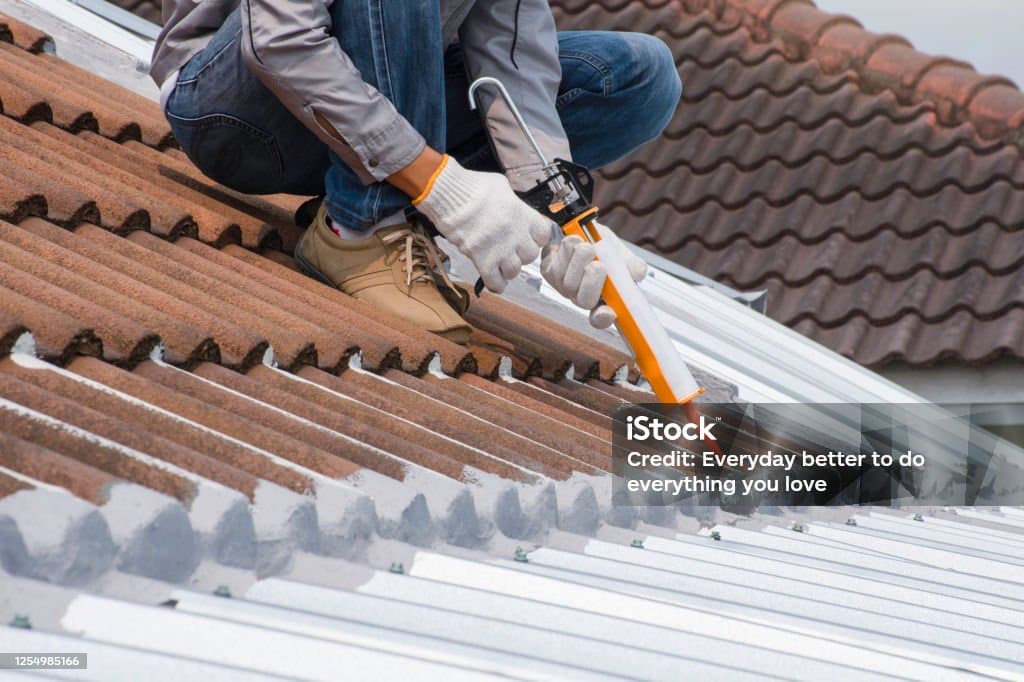
One-component PU sealants are NCO-terminated prepolymers typically derived from high molecular weight polyols reacted with MDI or polymeric MDI. Curing occurs via atmospheric moisture, forming an elastomeric network.
- Preferred Polyol: High MW polyester (low modulus systems)
- Alternative: Polyester for improved chemical and abrasion resistance
- Key Properties: High elongation, flexibility, sag resistance
- Applications: Expansion joints, façade sealing, flooring joints
2K PU Sealants (Controlled Cure Systems)
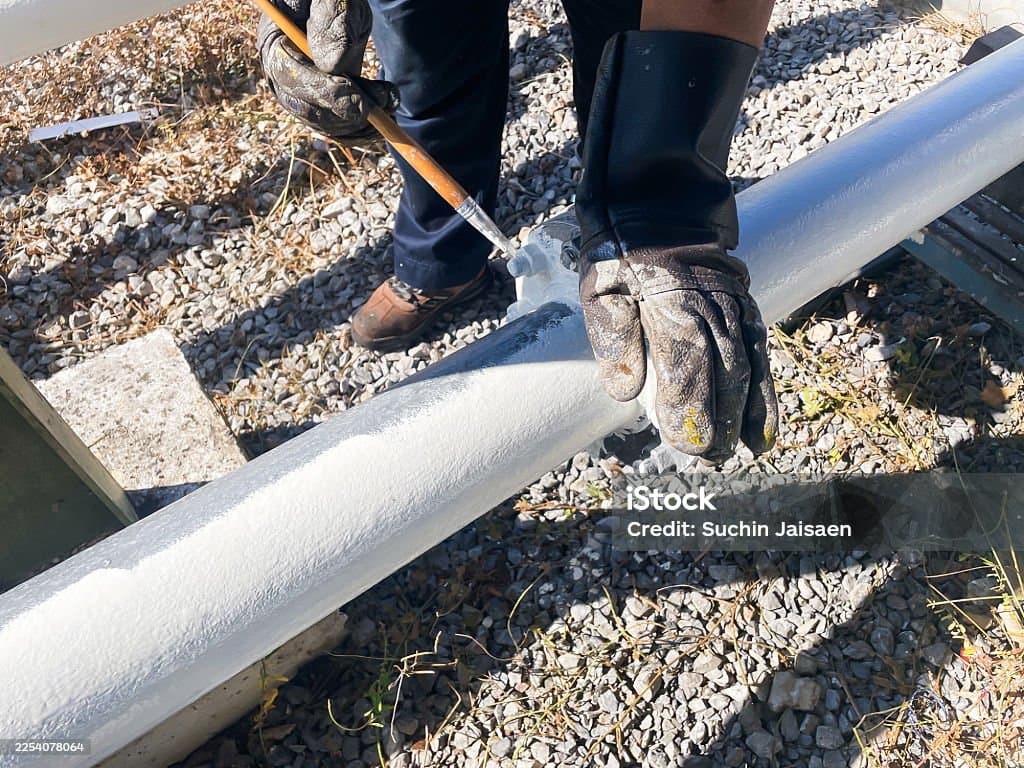
Two-component PU sealants combine polyol blends with MDI or TDI curing agents. These systems allow controlled curing independent of atmospheric moisture and are used where thicker sections or faster through-cure are required.
- Preferred Polyol: Polyester (higher modulus)
- Key Properties: Controlled cure, structural stability
- Applications: Industrial flooring, tank joints, heavy construction
Low Modulus vs High Modulus PU Sealants
Modulus selection is critical in sealant formulation and directly influenced by polyol type and crosslink density.
- Low Modulus Sealants: Typically based on high molecular weight polyester polyols. Provide movement capability above ±25%, excellent flexibility and crack resistance.
- High Modulus Sealants: Often use polyester polyols or higher functionality systems. Deliver improved mechanical strength and abrasion resistance.
Automotive PU Seam Sealers
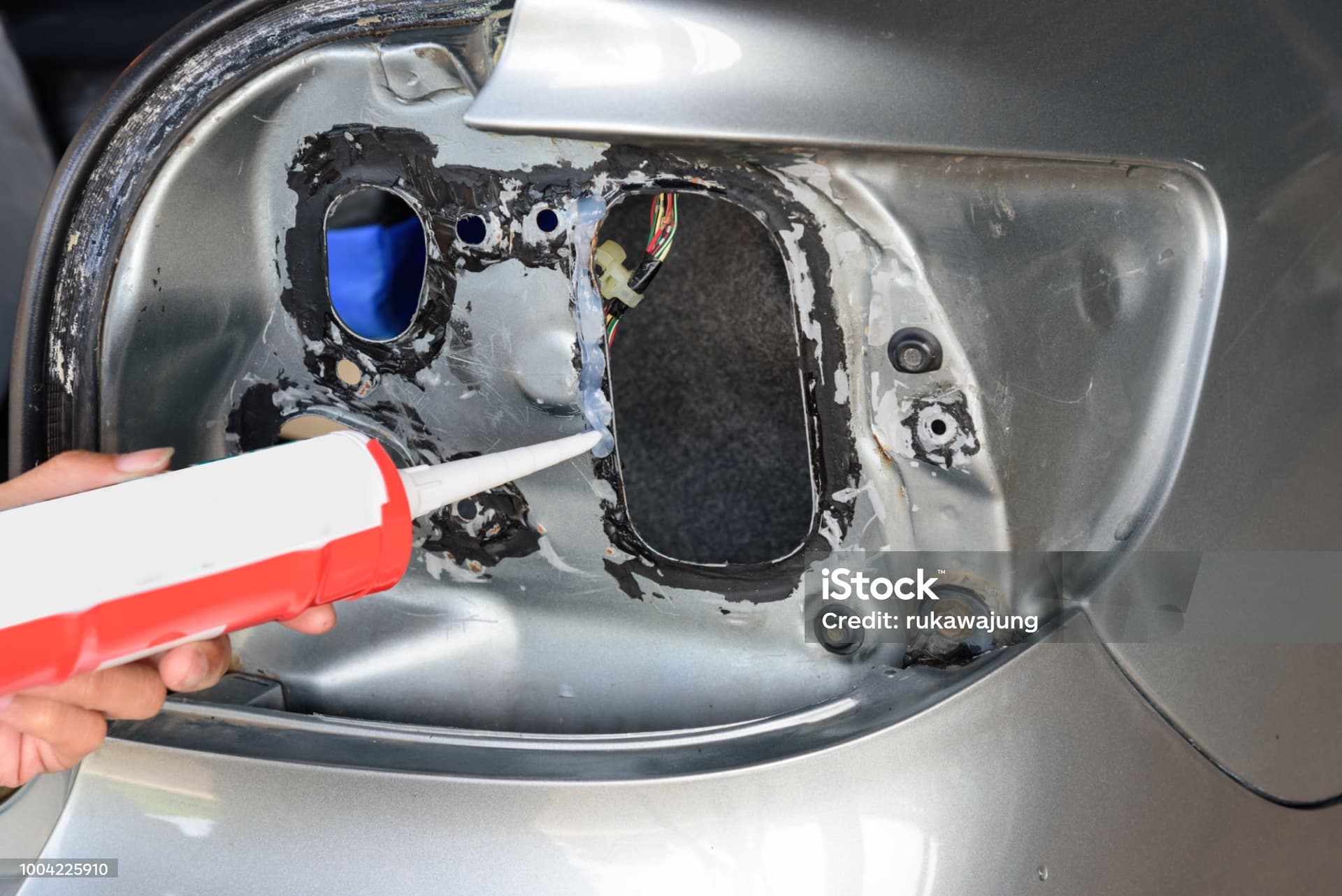
Automotive sealants are typically MDI-based systems formulated for vibration resistance, adhesion to coated metals, and paint shop compatibility. Polyester polyol systems improve mechanical durability.
- Key Requirements: Vibration damping, corrosion resistance
- Applications: Body seams, floor joints, trunk sealing
Aliphatic PU Sealants (HDI / IPDI Based)
Aliphatic isocyanate systems are selected for UV stability and non-yellowing performance in exterior applications. These systems are commonly combined with polyester polyols for long-term weather resistance.
- Key Benefit: UV resistance and color stability
- Applications: Exterior façade joints, glazing, architectural sealing
Polyester Polyol Selection in PU Sealants
- Polyester Polyols: Higher mechanical strength, better chemical and abrasion resistance , with additonal changes it gets hydrolysis resistance, high elongation properties.
- Higher Molecular Weight: Lower modulus, improved flexibility.
- Higher Functionality: Increased crosslink density and hardness.
- Aromatic Isocyanates (MDI/TDI): Cost-efficient and mechanically strong.
- Aliphatic Isocyanates (HDI/IPDI): UV stable and non-yellowing.