
Polyester Polyols for Rigid PU & PIR Foam Insulation
Enviol Polytech Solutions develops polyester polyols designed for rigid polyurethane and polyisocyanurate (PIR) insulation systems. Our focus is on polyester-polyol solutions for applications requiring thermal insulation, dimensional stability, compressive strength and controlled processing characteristics.
Our polyester polyol platform is particularly focused on PET-derived and recycled polyester polyols, providing polyurethane manufacturers with an opportunity to incorporate recycled feedstock into rigid insulation systems while developing application- specific performance characteristics.
Rigid Polyurethane Foam Systems
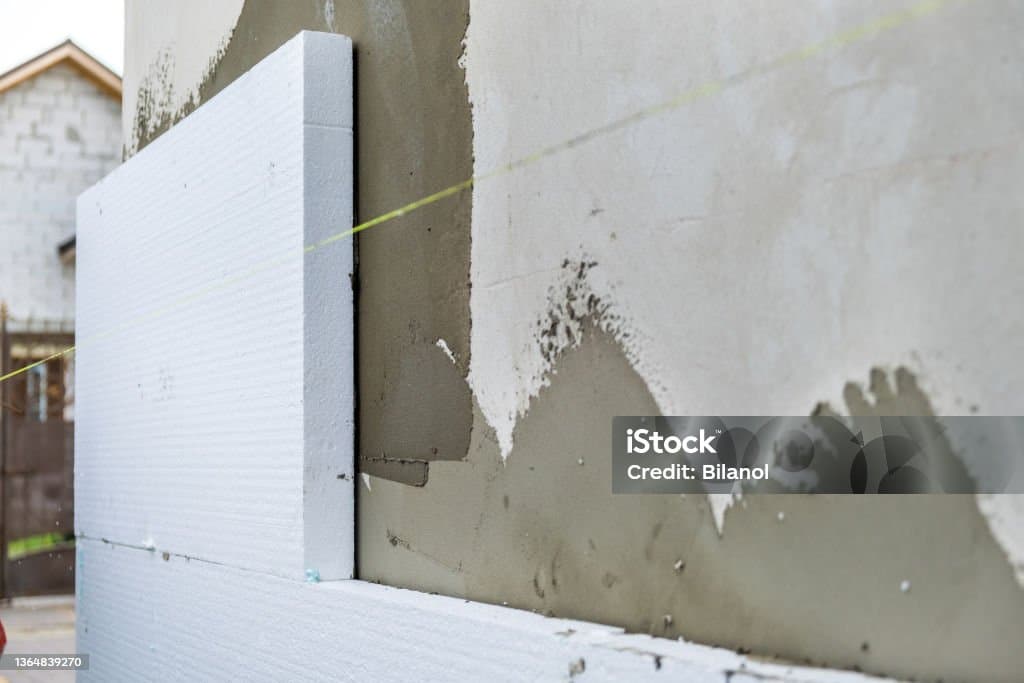
Rigid polyurethane (PU) foam is widely used where lightweight construction and thermal insulation are required. Polyester polyols can be incorporated into rigid PU formulations to provide the chemical functionality required for reaction with polymeric isocyanates and development of a highly crosslinked polyurethane structure.
The selection of polyester polyol characteristics such as hydroxyl value, functionality, viscosity and molecular structure influences processing behavior and the resulting properties of the foam.
- Thermal insulation: Suitable for applications where low thermal conductivity is required.
- Dimensional stability: Crosslinked PU structures provide structural stability over the service life of the insulation.
- Compressive strength: Polyester-based systems can contribute to rigid foam structures with useful mechanical strength.
- Controlled reactivity: Polyol characteristics can be optimized according to the processing system and application.
- Formulation flexibility: Polyester polyols can be developed for different rigid PU processing requirements.
Polyisocyanurate (PIR) Foam Systems
PIR insulation systems are closely related to rigid polyurethane systems but use an isocyanate-rich formulation to promote polyisocyanurate structures. They are widely used in insulation applications where thermal performance and improved fire-performance characteristics are important.
Polyester polyols are important formulation components in many rigid PU and PIR systems. Selection of the appropriate polyol structure, hydroxyl value and functionality helps formulators balance processing, crosslink density and final foam properties.
- PIR sandwich panels: Insulated building and industrial panels for walls and roofs.
- Rigid PIR boards: Insulation boards used in construction and industrial applications.
- Industrial insulation: Systems designed for equipment, tanks and process environments.
- Pipe insulation: Rigid insulation for pipelines and other cylindrical structures.
Sandwich Panel Insulation
Polyurethane and PIR sandwich panels are widely used in industrial buildings, warehouses, cold rooms and commercial infrastructure. The foam core provides thermal insulation between the external facing materials.
Polyester polyols used in these systems must be selected according to the processing technology, required reactivity, foam density, dimensional stability and target mechanical properties.
- Continuous sandwich panels: High-volume panel production for walls and roofing systems.
- Discontinuous panels: Insulated panels produced for customized construction and industrial applications.
- Cold-room panels: Insulated structures designed to minimize heat transfer.
- Industrial building panels: Insulation solutions for warehouses, factories and controlled environments.
Refrigeration & Cold Storage Insulation
Rigid PU and PIR foams are extensively used as thermal insulation materials in refrigeration and temperature-controlled environments. The insulation core must maintain its structure while minimizing heat transfer through the system.
- Cold storage rooms: Wall, roof and floor insulation for temperature-controlled facilities.
- Refrigeration equipment: Insulation for refrigerators, freezers and related equipment.
- Industrial refrigeration: Thermal insulation for large-scale refrigeration infrastructure.
- Temperature-controlled facilities: Insulated panels and structures for food, pharmaceutical and industrial environments.
Polyester polyol selection can influence foam reaction behavior, crosslink density and dimensional stability, making polyol design an important part of insulation-system development.
Pipe, Tank & Industrial Insulation
Rigid polyurethane and PIR foams are also used to insulate pipes, tanks and industrial equipment where maintaining temperature and reducing heat loss are important.
- Process pipelines: Thermal insulation for industrial process lines.
- District heating and cooling: Insulated pipe systems designed to reduce thermal losses.
- Oil & gas infrastructure: Insulation applications where temperature management is required.
- Storage tanks: Thermal insulation for industrial tanks and equipment.
- Industrial equipment: Custom rigid foam insulation solutions for process and utility systems.
Spray Polyurethane Foam
Spray polyurethane foam systems are applied directly onto substrates to create continuous thermal insulation layers. The formulation must provide appropriate reaction behavior, flow, expansion and adhesion characteristics for the intended application.
Polyester polyols can be selected or developed according to the required processing profile and final foam characteristics.
- Building and roof insulation
- Industrial equipment insulation
- Pipe and tank insulation
- HVAC and duct insulation
- Industrial maintenance and retrofit insulation
Other Rigid PU & PIR Insulation Applications
Beyond conventional panels and cold-storage applications, rigid polyurethane and PIR systems are used across a broad range of construction and industrial insulation applications.
- Insulation boards: Rigid boards for walls, roofs and floors.
- Roofing insulation: Thermal insulation systems for commercial and industrial buildings.
- HVAC insulation: Insulation for ducts and temperature-control systems.
- Industrial equipment: Thermal protection of machinery, vessels and process equipment.
- Construction insulation: Wall, roof and structural insulation systems.
- Specialty insulation: Application-specific rigid foam systems developed around particular processing and performance requirements.
Polyester Polyol Selection for Rigid Foam
The polyester polyol is an important component of the rigid polyurethane formulation. Its chemical structure and physical properties influence reaction behavior, crosslink density and the resulting foam structure.
- Hydroxyl value: Influences the amount of reactive hydroxyl groups available for polyurethane formation.
- Functionality: Influences crosslink density and rigid foam structure.
- Viscosity: Important for handling, mixing and processing characteristics.
- Acid value: An important quality parameter when evaluating polyester polyols for polyurethane applications.
- Water content: Important because moisture can participate in the polyurethane reaction and influence foam processing.
- Polyol structure: Aromatic and aliphatic polyester structures can provide different performance characteristics depending on the formulation.
Why Polyester Polyols from Enviol?
Enviol Polytech Solutions is focused on developing polyester polyol solutions for polyurethane applications with a strong emphasis on sustainability and recycled feedstock.
- PET-derived polyester polyols: Polyester polyols developed using recycled PET-based feedstock.
- Recycled-content solutions: Potential to introduce recycled raw material into polyurethane formulations.
- Application-oriented development: Polyol characteristics can be developed around the requirements of specific polyurethane applications.
- OH-value flexibility: Development across a broad range of hydroxyl values for different polyurethane applications.
- Technical collaboration: Enviol works with polyurethane manufacturers to understand their existing system and identify suitable polyol solutions.
- Sustainable chemistry: Our technology focuses on converting post-consumer and post-industrial PET feedstock into useful polyester polyol intermediates.
Application-Specific Polyester Polyol Development
Polyester polyol selection should be based on the complete polyurethane formulation rather than hydroxyl value alone. Enviol therefore approaches polyol development around the customer's application, processing conditions and required final properties.
For rigid PU and PIR insulation systems, relevant parameters may include:
- Target foam density
- Required thermal conductivity
- Compressive strength
- Dimensional stability
- Reaction profile
- Processing temperature
- Blowing-agent system
- Isocyanate system
- Required fire-performance characteristics
- Existing polyol formulation
Whether you are manufacturing sandwich panels, cold-storage insulation, refrigeration systems, rigid insulation boards, spray foam, pipe insulation or other PU/PIR insulation products, Enviol Polytech Solutions can work with your team to evaluate polyester polyol requirements and develop an application-oriented solution.
Share your current polyol grade, OH value, application, processing system and approximate consumption with us, and our technical team can help identify a suitable polyester polyol approach.