
Advanced Polyurethane Technology Platform
Enviol Polytech Solutions is a manufacturer of polyester polyols and a technology partner in the development of advanced polyurethane (PU) systems for foam, coatings, adhesives, elastomers and specialty applications.
What is Polyurethane?
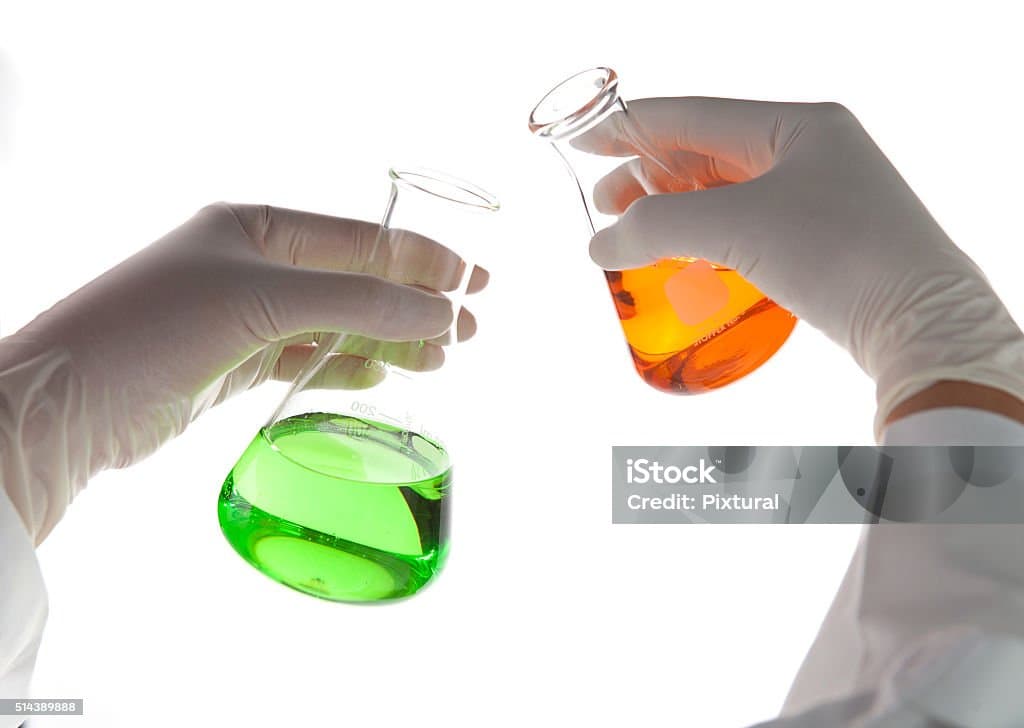
Polyurethane is formed by the reaction between a polyester polyol and an isocyanate (MDI, TDI, HDI, IPDI or derivatives). By modifying functionality, molecular weight and backbone chemistry, a wide range of materials can be produced — from soft flexible foam to rigid structural insulation and high-performance coatings.
Polyester Polyols
- Polyester Polyols: Improved flexibility, hydrolysis resistance and low-temperature performance., chemical resistance and abrasion resistance.
- OH Value & Functionality: Determines crosslink density and final mechanical properties.
Polyurethane Classification
- Flexible Polyurethane: Used in mattresses, furniture cushioning and automotive seating.
- Rigid Polyurethane: High insulation systems for refrigeration, construction panels and industrial insulation.
- Elastomer Systems: High load-bearing and abrasion-resistant components.
- Coating & Adhesive Systems: Protective, decorative and bonding applications.
- Thermoplastic Polyurethane (TPU):Melt-processable elastomeric systems.
Aromatic vs Aliphatic Systems
- Aromatic Isocyanates (MDI/TDI): Cost-effective, high mechanical strength systems.
- Aliphatic Isocyanates (HDI/IPDI): Superior UV stability and color retention.
Polyester Polyol Grades
| Grade Type | Functionality | OH Value (mg KOH/g) | MW Range | Key Characteristics | Typical Applications |
|---|---|---|---|---|---|
| Linear Low MW Polyester | 2 | 150–300 | 400–1000 | High hardness, fast cure | Adhesives, coatings |
| Medium MW Polyester | 2 | 50–150 | 1000–3000 | Balanced strength & flexibility | Sealants, elastomers |
| High MW Polyester | 2 | 20–50 | 3000–5000 | Flexibility, impact resistance | Artificial leather, elastomers |
| Branched Polyester | 3–4 | 200–450 | 300–800 | High crosslink density | Rigid foam, coatings |
| Aromatic Polyester | 2–3 | 200–400 | 400–1500 | Thermal stability | Rigid insulation systems |
| Saturated Polyester Resin | 2–3 | Acid Value 25–60 | 2000–6000 | UV durability, flow control | Powder & coil coatings |
Integrated Polyurethane System Capability
With deep expertise in polyester polyol chemistry, Enviol Polytech Solutions can engineer customized polyurethane systems tailored for industrial processing requirements, mechanical performance and environmental compliance.
Our technology platform supports applications across foam, coatings, adhesives, sealants, elastomers and powder systems, making us a comprehensive partner in polyurethane development.